

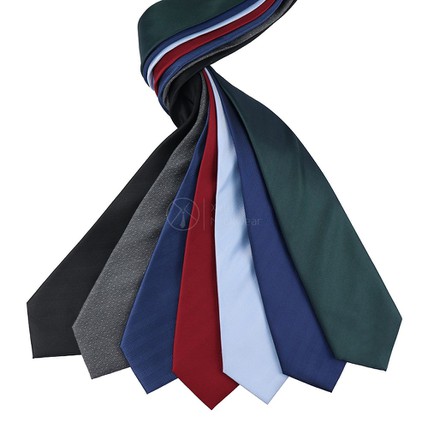
We presents a deep dive into the intriguing history of neckties, an iconic fashion accessory that has stood the test of time. From humble beginnings to the epitome of sartorial elegance, this article explores the fascinating evolution of neckties, tracing their origins back through the centuries.
The Humble Beginnings
Neckties, often synonymous with sophistication and style, had rather unassuming origins. It all started in the early 17th century when Croatian mercenaries, serving in France, wore small, knotted neckerchiefs as part of their uniforms. These neckerchiefs caught the attention of Parisian fashion elites and were soon adopted as a fashion statement.
The French Influence
French aristocrats embraced the trend with gusto, evolving the neckerchiefs into cravats. Cravats were intricately designed pieces of fabric that were elaborately tied and draped around the neck. This marked the birth of the modern necktie, which was initially referred to as "cravate" in French.
The English Transformation
The popularity of cravats spread to England in the 18th century, where they took on a distinctive English twist. The English preferred a more understated and refined look, giving rise to the "stock" or "stock tie," a precursor to the modern tie. These stocks were often made of white linen and tied with a simple knot.
The Birth of the Modern Necktie
As the 19th century unfolded, neckties as we know them today started to emerge. They became longer, thinner, and more colorful, reflecting changing fashion tastes and styles. The four-in-hand knot, attributed to British horsemen, gained popularity and became the standard knot for neckties.
The Necktie's Global Dominance
The necktie's global influence continued to grow, spreading to every corner of the world. It became a symbol of professionalism, formality, and individual expression. Over time, various tie styles, materials, and patterns emerged, offering endless possibilities for personalization.
The Contemporary Necktie
Today, neckties have not only maintained their relevance but have also diversified. They are worn for various occasions, from business meetings to weddings, and come in a plethora of fabrics, patterns, and styles. The necktie's enduring legacy as a symbol of sophistication and style remains unchallenged.


